
 by
by Buying Property on Greek Islands: Seasonality, Access, Utilities & Investment Considerations
Introduction
Greek island properties offer a unique lifestyle—stunning views, authentic communities, and strong seasonal rental demand. But island living comes with practical considerations that savvy buyers understand upfront: seasonal rhythms, reliable access, utility infrastructure, and realistic investment fundamentals. This guide walks you through what makes island properties work—and how to plan for success.

Why Greek Islands Appeal to International Buyers
- Lifestyle premium: Island living combines relaxation, natural beauty, and authentic Greek culture in a way mainland properties cannot match.
- Strong seasonal demand: Summer months bring consistent rental interest from tourists and holiday seekers, supporting solid income potential.
- Community & authenticity: Island neighborhoods often feel more connected and less commercialized than urban centers.
- Long-term value: Well-located island properties maintain appeal and liquidity for both owner-occupiers and investors.
Key insight: Island property success depends on understanding seasonality and planning for year-round livability—not just summer appeal.
Seasonality: The Island Rhythm
High Season (May–October): Peak Activity
Summer months bring vibrant energy to Greek islands. Tourist arrivals peak, rental demand is strong, restaurants and shops operate at full capacity, and the weather is reliably sunny and warm. For property owners, this is when rental income flows and the island feels most alive.
- Rental demand: Strong bookings for short-term rentals; expect 70–90% occupancy in well-positioned properties.
- Services availability: All shops, restaurants, utilities, and maintenance services operate normally.
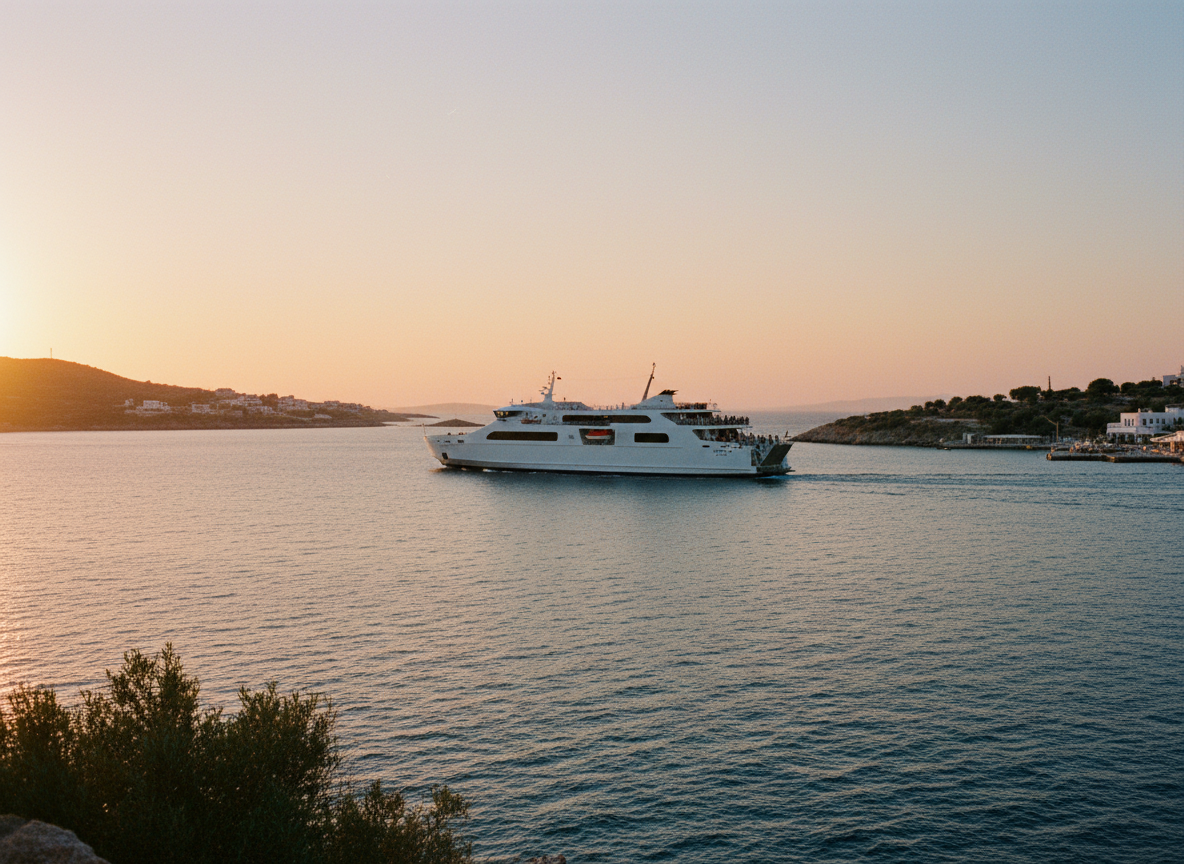
- Ferry schedules: Frequent daily connections to mainland and neighboring islands; reliable travel.
- Staffing: Seasonal workers arrive; contractors and service providers are readily available.
Low Season (November–April): Quieter, But Functional
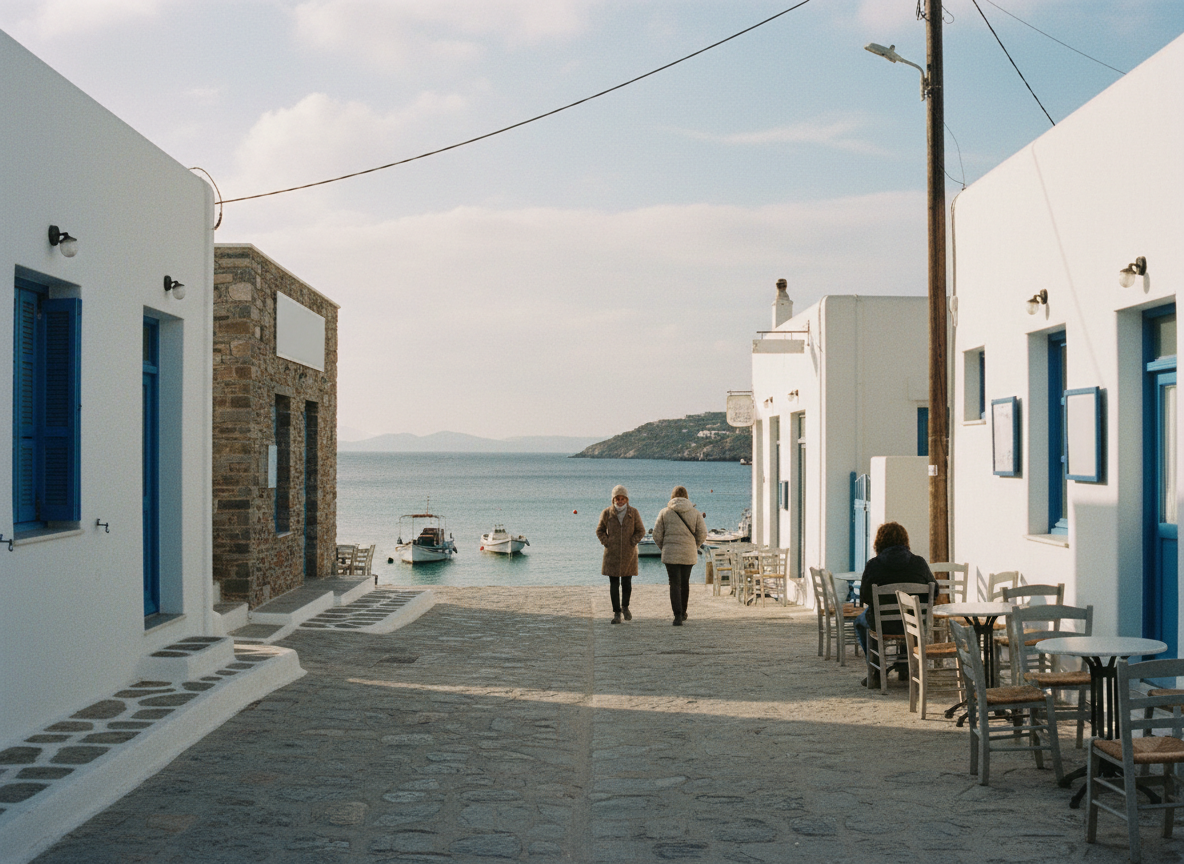
Winter months see fewer tourists, but islands remain inhabited and operational. Many locals stay year-round, essential services continue, and property owners can enjoy peaceful island living without the summer crowds. Rental demand decreases, but strategic positioning and quality properties still attract winter visitors and long-term tenants.
- Rental demand: Lower but steady; expect 30–50% occupancy; focus shifts to long-term rentals and winter travelers.
- Services availability: Core services (electricity, water, shops, medical) remain reliable; some seasonal businesses close.
- Ferry schedules: Reduced but consistent; fewer daily connections, but islands remain accessible.
- Weather: Mild winters in most Greek islands (rarely below 10°C); occasional wind and rain, but generally pleasant.
- Staffing: Fewer seasonal workers; plan maintenance and repairs in advance.

Seasonality Strategy for Owners
- Summer focus: Maximize rental income; maintain property to premium standards for high-season guests.
- Winter planning: Schedule major maintenance, renovations, and repairs during low season when contractors are available and prices are lower.
- Flexible approach: Mix short-term summer rentals with long-term winter tenants to smooth income across the year.
Access: Getting to and From the Island
Ferry Connections
Most Greek islands are connected by regular ferry services. Summer schedules are frequent and reliable; winter schedules are reduced but still functional. Ferry travel is affordable, scenic, and the primary transport for residents and visitors.
- Summer (May–October): Multiple daily sailings to mainland ports (Piraeus, Rafina, Patras) and neighboring islands. Journey times: 2–8 hours depending on distance.
- Winter (November–April): Fewer daily sailings; reduced frequency but consistent service. Plan travel in advance, especially for longer routes.
- Booking: Online platforms (Ferryhopper, GTP.gr) show all schedules and allow advance booking.
- Cost: Affordable year-round; a typical Piraeus–Cyclades journey costs €20–50 one-way.
Air Travel
Major islands (Crete, Rhodes, Mykonos, Santorini) have airports with year-round or seasonal flights to Athens and other European cities. Smaller islands rely on ferries, but flight options reduce travel friction for owners and guests.
Planning for Access
- Check ferry schedules before purchasing; ensure reliable connections to your lifestyle needs.
- Plan visits and maintenance during high-season windows if winter access is a concern.
- For investment properties, proximity to ferry ports and airports increases tenant appeal.
Utilities: Infrastructure You Need to Know
Electricity (HEDNO/ΔΕΔΔΗΕ)
Island electricity is supplied by HEDNO (Hellenic Electricity Distribution Network). Service is reliable and modern, with island-specific features that are easy to plan for:
- New connections: Quick and straightforward—typically 2–4 weeks. You’ll need property ownership documents and a licensed electrician’s design plan.
- Capacity planning: Island grids are designed for seasonal peaks. If you’re planning multiple A/C units or high-load appliances, a simple pre-purchase check ensures smooth, comfortable year-round use. Most standard homes have no issues.
- Cost: Connection fee: €200–500 (one-time); monthly usage: €50–130 (varies by season and consumption). Summer months are higher due to A/C; winter is noticeably lower.
- Reliability: Modern and stable infrastructure. Outages are rare, and HEDNO responds quickly to any issues. Most owners report zero downtime year-round.
- Summer comfort: Peak season means higher usage, but well-maintained properties handle this easily. Energy-efficient A/C and good insulation keep costs predictable.
Water Supply
Island water is modern and reliable. Most properties have access to municipal systems, and many feature smart storage solutions that add extra convenience—especially during peak summer months.
- Municipal supply: Available in most towns and villages; cost: €10–30/month for typical usage. Safe, modern infrastructure.
- Smart storage: Many properties include rooftop or underground tanks (1,000–5,000 liters)—a practical feature that ensures uninterrupted comfort during summer peak season without any hassle.
- Year-round reliability: Island water systems are designed for seasonal peaks. Desalination plants on larger islands ensure consistent supply year-round, even during dry periods.
- Water quality: Modern standards; safe for drinking and daily use across developed islands.
- Smart planning: Ask the seller about the water supply setup and tank capacity—it’s a simple feature that supports stress-free living. Routine tank maintenance is minimal and inexpensive.
Internet & Connectivity
Island internet has improved dramatically. Most islands now have reliable fixed-line broadband (fiber or ADSL) and strong 4G/5G mobile coverage.
- Fixed broadband: Available in towns and many villages; speeds: 30–100 Mbps (fiber); cost: €25–50/month.
- Mobile (4G/5G): Excellent coverage on most inhabited islands; backup option for work and communication.
- Satellite internet: Available as backup; useful for remote properties without fixed-line access.
- Planning: Verify broadband availability before purchasing; essential for remote work or property management.
Property Checks: Island-Specific Considerations
Access & Connectivity
Island properties are well-connected. Modern infrastructure and thoughtful planning make access easy and convenient:
- Road access: Most developed island properties are accessible year-round by car. Island roads are maintained and navigable; many feature scenic, peaceful routes. Ask about seasonal conditions if you’re in a very remote area.
- Parking solutions: Town and village properties typically have parking (private or shared). Parking is affordable and straightforward—part of island living’s relaxed lifestyle.
- Delivery & services: Contractors, suppliers, and moving services operate smoothly on developed islands. Local specialists know the roads and logistics well, making renovations and maintenance hassle-free.
Drainage & Sewage
Island properties have modern, well-established drainage infrastructure. Most homes are straightforward to maintain:
- Municipal sewage: Available in towns and developed areas. Connection is standard and affordable—typically €10–20/month.
- Smart septic systems: Rural properties often feature modern septic systems designed for island use. These are reliable, low-maintenance, and handled by local specialists who know the systems well.
- Professional inspection: A pre-purchase surveyor check is standard practice and typically confirms that well-maintained island properties have solid, functional drainage systems. This gives you full confidence before buying.
Island-Ready Build Quality (What to Look For)
Well-built island properties are designed to thrive in coastal conditions. Here’s what makes a property resilient and comfortable year-round:
- Wind-resistant design: Quality island homes feature robust window and door seals, and solid structural design. This is standard on modern or well-renovated properties and ensures comfort in all seasons.
- Coastal durability: Modern finishes and stainless steel fixtures resist salt air naturally. Ask about recent renovations or upgrades—they’re a sign the property is built to last.
- Ventilation & moisture control: Well-designed island homes have excellent cross-ventilation and proper waterproofing. This keeps interiors fresh, dry, and comfortable year-round.
- Quality materials & craftsmanship: Whether traditional stone or modern finishes, quality construction is key. Recently renovated properties or those with certified structural inspections offer peace of mind and long-term durability.
Investment Considerations: Making Island Property Work
Rental Income Potential
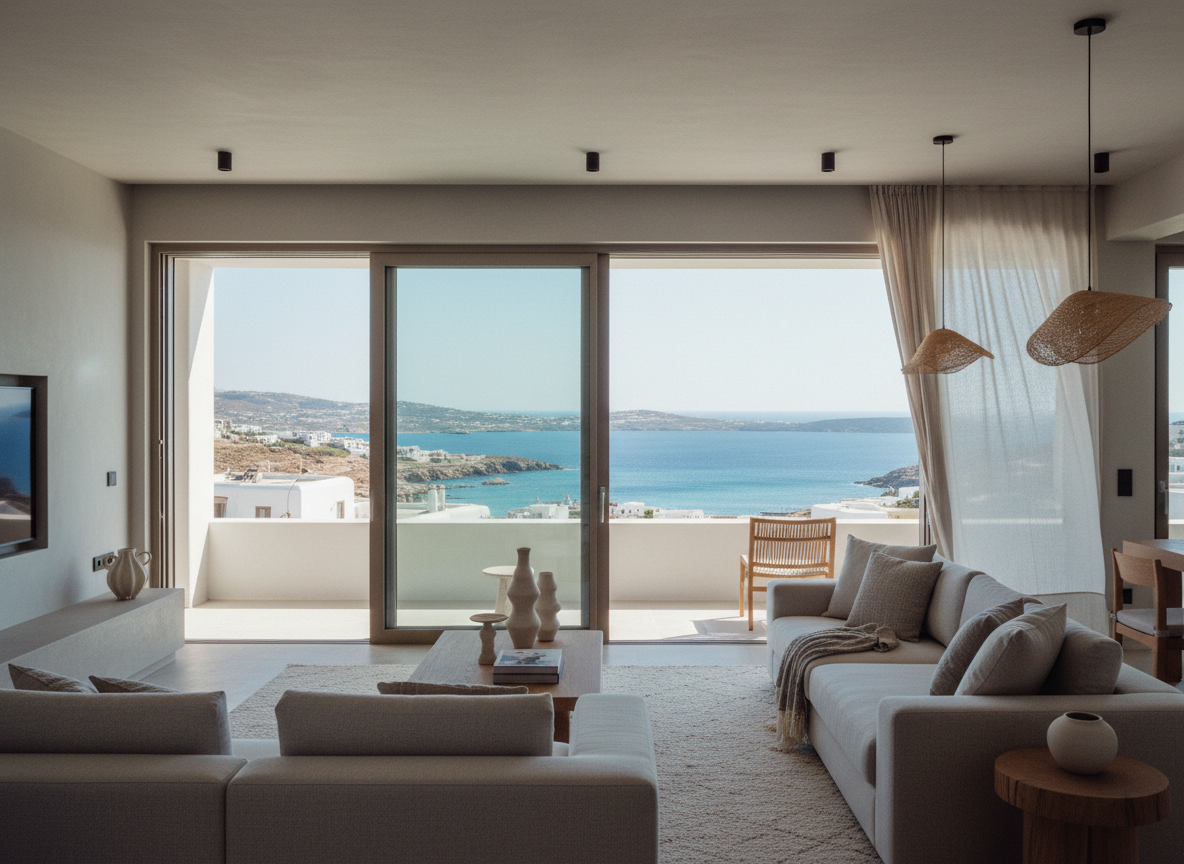
Island properties can generate strong rental income, especially in high-demand locations. Success depends on positioning, property quality, and realistic expectations about seasonality.
- Seasonal income pattern: Summer months (May–October) drive the majority of rental income. Well-positioned properties can achieve strong occupancy (70–90%) during peak season. Plan for a blended annual return of 5–8% net after all operating costs.
- Year-round strategy: Mix summer short-term rentals (€80–200/night) with winter long-term rentals (€400–800/month) to smooth income.
- Property type: Studios and 1–2 bedroom apartments perform well; larger villas attract families and groups.
- Location matters: Proximity to beaches, town centers, and ferry ports significantly boosts demand.
Operating Costs
Island properties have specific cost considerations that differ from mainland properties. The upside is that with a well-maintained home and a smart setup, costs can stay predictable and easy to manage.
- Property management: €100–250/month for professional management (booking, cleaning, guest communication). Many owners treat this as an “income enabler” rather than a cost.
- Utilities: €60–130/month (electricity, water, internet combined), depending on season and usage. Energy-efficient A/C and good insulation help keep this low.
- Maintenance & repairs: €30–80/month for routine upkeep; typically €1,000–3,000/year for seasonal maintenance (often lower for newer or recently renovated homes).
- Cleaning & turnover: €25–50 per guest turnover, usually built into the nightly rate.
- Insurance: €150–350/year for property and liability coverage.
- Taxes: Property tax (ENFIA): €80–400/year depending on the property and location.
Realistic Island Investment Profile
- Entry price: €80,000–200,000 for a 1–2 bedroom apartment on popular islands; premium locations can be higher.
- Annual operating costs: €2,000–5,500 (management, utilities, maintenance, taxes combined), depending on usage and rental intensity.
- Return potential: Strong high-season demand can support attractive returns—especially for well-located, move-in-ready properties with professional management.
- Timeline: A 5–10 year horizon typically gives owners the best mix of lifestyle value, rental performance, and long-term upside.
Property Management
Most international owners use local property managers to handle bookings, cleaning, guest communication, and maintenance. This is essential for absentee owners and ensures consistent service quality.
- Find a manager: Ask local real estate agents, other property owners, or use platforms like Airbnb/Booking.com’s co-hosting services.
- Verify credentials: Check references, insurance, and experience with similar properties.
- Clear agreement: Define commission, responsibilities, communication, and dispute resolution.
FAQ
Can I visit my island property in winter?
Yes. Ferry schedules are reduced but consistent. Winter is actually ideal for maintenance and enjoying the island without summer crowds. Plan travel in advance and check ferry schedules.
What’s the best island for rental income?
Crete, Mykonos, Santorini, and Rhodes offer strong year-round demand. Smaller islands can also work if well-positioned. Focus on proximity to beaches, town centers, and ferry ports.
How reliable is island electricity and water?
Both are reliable on developed islands. Electricity is managed by HEDNO; water comes from municipal systems or private tanks. Verify infrastructure before purchasing and budget for tank maintenance.
Do I need a property manager?
Highly recommended for absentee owners. A good manager handles bookings, cleaning, maintenance, and guest communication—essential for consistent income and property care.
What’s the realistic net return on an island property?
Expect 5–8% annual net yield after operating costs. High-season demand is strong, but low-season rental income is lower. Plan for a 5–10 year investment horizon.
Is buying on the islands straightforward for international buyers?
Yes. The process is well-established and international buyers purchase in Greece every year. A Greek lawyer will handle the standard checks and paperwork, so you can move forward with clarity and confidence.
How Domitech Helps
Domitech Real Estate guides international buyers through the island property journey. We help you identify properties aligned with your lifestyle and investment goals, navigate seasonality and infrastructure considerations, and connect you with trusted local managers and service providers. Our goal is to make island ownership straightforward and rewarding.
Contact Domitech Real Estate
Address: 253 Kifisias Ave., Kifisia, Attica 14561, Greece
Phone: +30 210 8017156
Mobile: +30 698 5803774
Email: [email protected]